
Here are 5 Common Running Injuries and How Rehab Can Help You Recover Faster
Running may look simple, but it’s a full-body activity that places repeated stress on your joints, muscles, and tendons—especially in the lower body. Whether you’re running on Haverhill’s roads, local trails, or training for a race, your body has to manage thousands of repetitive movements every run.
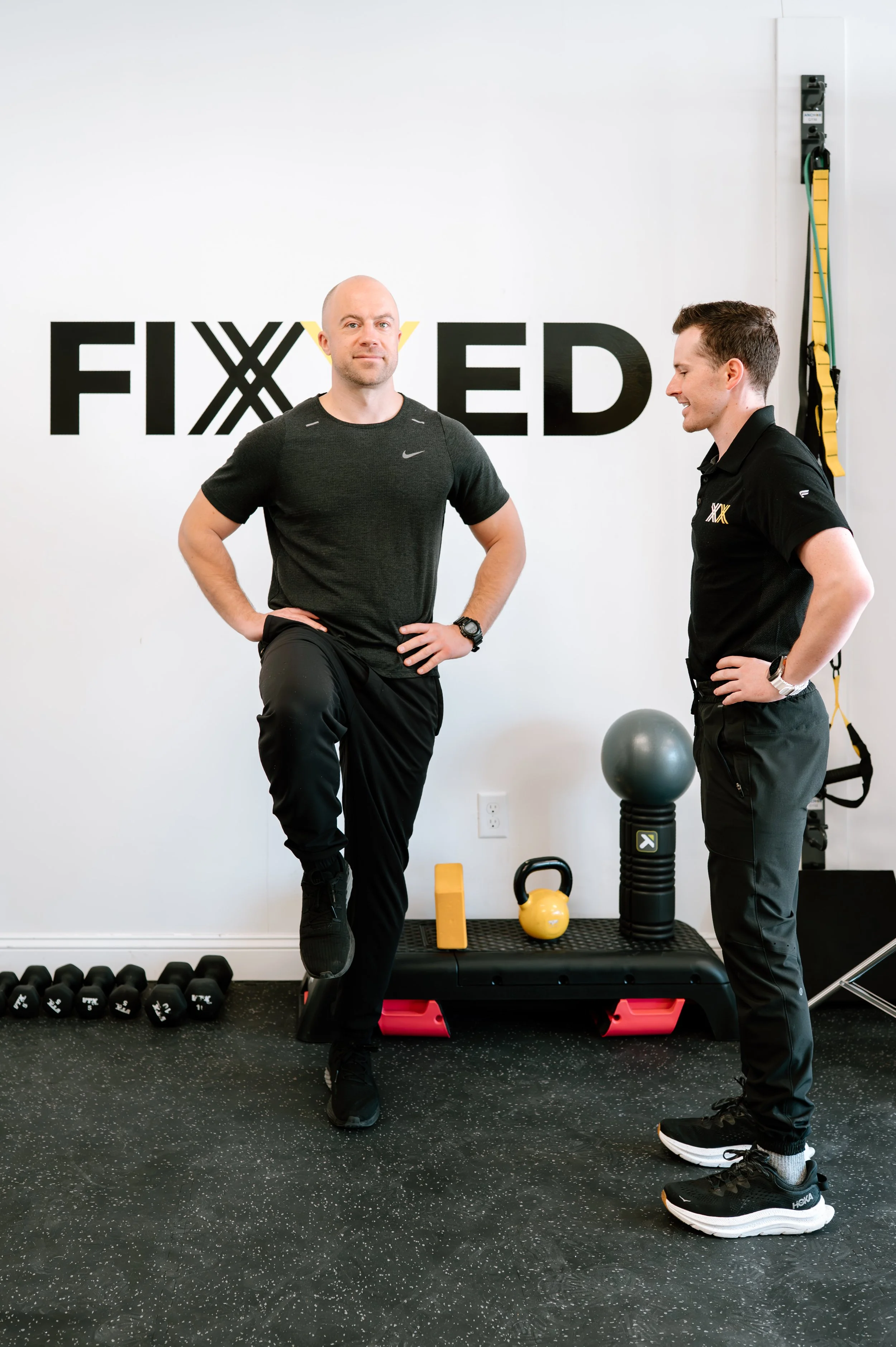
When training volume increases too quickly, mechanics are off, or recovery is skipped, running injuries can develop. At our physical therapy clinic in Haverhill, we often see runners wait too long to address symptoms—when early intervention can make a huge difference.
Below are some of the most common running injuries we treat with physical therapy in Haverhill, and how rehab can help you get back to running stronger and pain-free.
1. Runner’s Knee (Patellofemoral Pain Syndrome)
Why it happens:
Poor knee alignment, inefficient running mechanics, weak hips or glutes, muscle imbalances, or overtraining.
What it feels like:
Pain around or behind the kneecap, especially with stairs, squatting, downhill running, or after longer runs.
How physical therapy helps:
At our Haverhill physical therapy clinic, we address runner’s knee by strengthening the hips, glutes, and quads, correcting movement patterns, and using hands-on manual therapy to reduce pain and improve knee mechanics.
2. Shin Splints (Medial Tibial Stress Syndrome)
Why it happens:
Sudden increases in mileage, overtraining, weak calf or ankle stabilizers, tight lower-leg muscles, poor footwear, or foot mechanics.
What it feels like:
A dull, aching, or throbbing pain along the inner shin, often worse early in a run or after increasing training volume.
How physical therapy helps:
Physical therapy for shin splints focuses on load management, calf and foot strengthening, gait analysis, mobility work, and soft tissue treatment to reduce stress on the shins.
3. Achilles Tendinopathy
Why it happens:
Overuse, tight or weak calf muscles, poor landing mechanics, sudden training changes, terrain shifts, or footwear issues.
What it feels like:
Pain or stiffness in the back of the heel or calf, often worse after running or first thing in the morning.
How physical therapy helps:
Our Haverhill PTs use progressive strengthening, eccentric loading, soft tissue work, and smart training modifications to help the Achilles tendon heal and tolerate impact again.
4. Plantar Fasciitis
Why it happens:
Overloading the plantar fascia, tight calves, weak foot muscles, poor footwear, or sudden training spikes.
What it feels like:
Sharp or pinpoint heel pain, stiffness with the first steps in the morning, or pain after long runs or prolonged standing.
How physical therapy helps:
Physical therapy for plantar fasciitis includes foot and ankle strengthening, mobility work, manual therapy, footwear guidance, and a gradual return-to-running plan.
5. IT Band Syndrome (Lateral Knee Pain)
Why it happens:
Weak hip and glute muscles, poor hip stability, and repetitive overuse that affects running mechanics.
What it feels like:
Pain or clicking on the outside of the knee, often paired with tightness in the outer hip during or after runs.
How physical therapy helps:
We focus on hip and glute strengthening, gait retraining, and soft tissue treatment to reduce lateral knee stress and improve running efficiency.
Why Early Physical Therapy Matters for Runners in Haverhill
Whether you’re a casual jogger or a competitive runner, most running injuries stem from repetitive overload and subtle biomechanical issues—not one single bad run. Physical therapy is not only effective for pain relief, but also for:
Improving running mechanics and gait
Building strength to prevent future injuries
Managing training load and recovery
Reducing downtime and chronic pain
If you’re dealing with running pain, don’t wait for it to become a bigger issue. Our physical therapy clinic in Haverhill specializes in helping runners recover, rebuild strength, and return to running with confidence.
Book our Athlete Injury Prevention Program for 8 weeks of targeted strength training and bodywork designed to keep you running strong.