
Ice vs. Heat: Why Ice Isn’t the Go-To Anymore
For years, ice has been the default recommendation for almost every injury. Sprained ankle, sore back, tight calf—ice it.
The problem is, that advice hasn’t aged well.
At Fixxed, our approach is based on current research, clinical experience, and how the body actually heals—not just what’s traditionally been taught!
Why Ice Falls Short
Ice can reduce pain by numbing the area and slowing nerve signals—that’s why it often feels helpful at first. But pain relief does not equal tissue healing. Although cryotherapy remains widely used, evidence shows that cooling modalities mainly reduce pain and soreness rather than speeding actual tissue recovery in humans.
Additionally, the original creator of the RICE method later recanted that advice, acknowledging that ice and rest can delay healing rather than accelerate it.
Ice works primarily by vasoconstriction—narrowing blood vessels—which temporarily limits inflammation and swelling but also limits the delivery of oxygen, nutrients, and healing cells to tissue.
Why Heat Often Works Better
Heat supports physiological processes that help the body heal itself rather than just mask symptoms. Research shows heat therapy:
increases blood flow
improves tissue elasticity
reduces stiffness
promotes relaxation of muscles
can provide greater pain relief in some cases than cryotherapy (e.g., in low back pain)
For both acute and chronic discomfort, improving circulation and movement is often more beneficial than numbing the area.
What About Swelling?
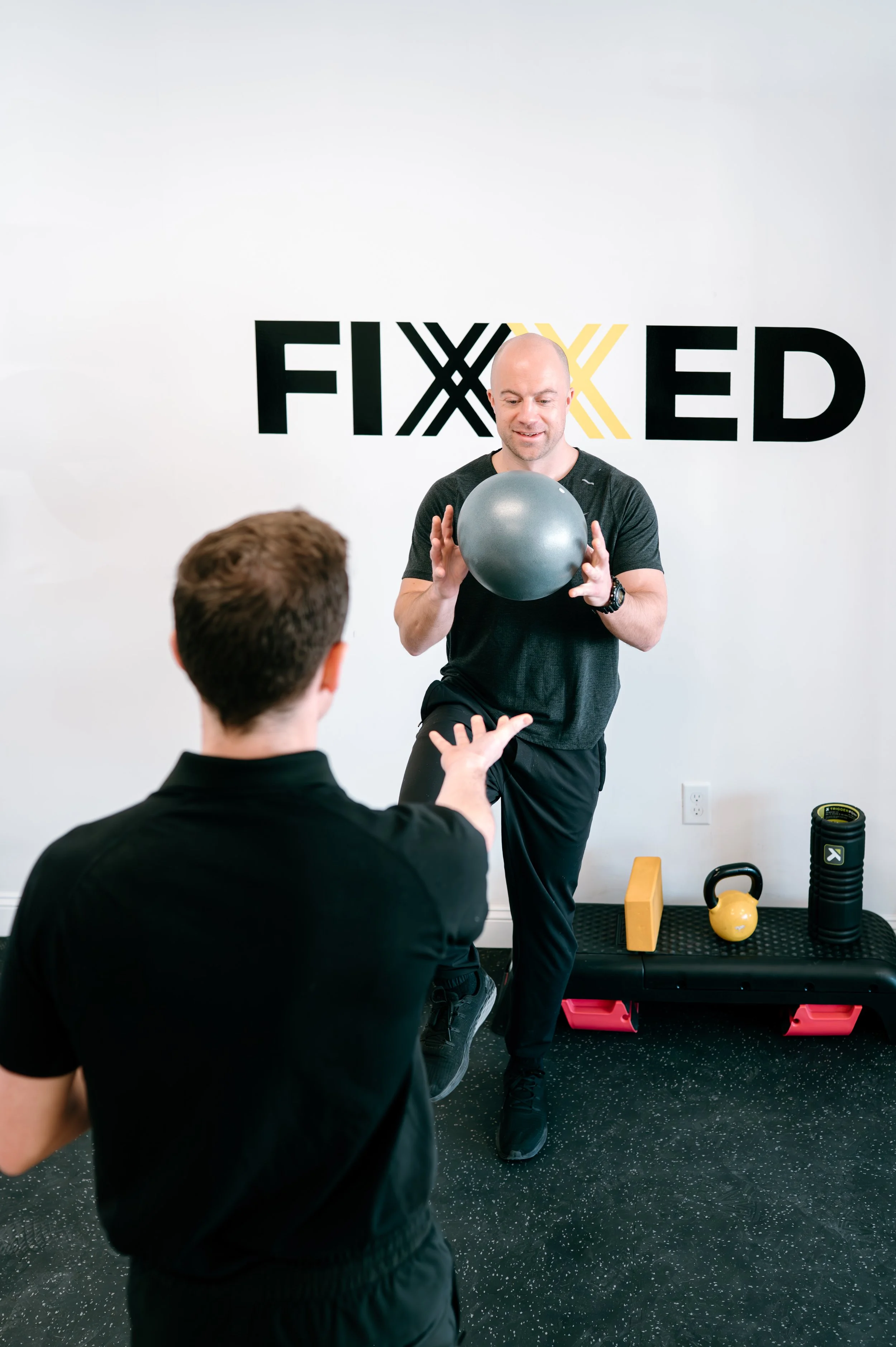
Swelling itself is part of the healing process—it’s how the body brings immune and repair cells to injured tissue. The goal isn’t to eliminate swelling entirely, but to manage it in a way that supports recovery.
Instead of relying on ice alone, research supports more active strategies such as:
elevation when appropriate
pain-free movement
muscle activation
gradual loading with rehab exercises
These approaches promote natural fluid movement and circulation, aiding healing rather than slowing it.
The Fixxed Studios Takeaway
Ice may still have a role in short-term pain control, but it should no longer be the foundation of injury treatment. True healing happens through:
blood flow
movement
proper loading
individualized care
Heat can support the process, but strategic rehab and movement are what drive real recovery.
And honestly—between winter storms and freezing temps here in Massachusetts, we already have plenty of ice outside. Your injury probably doesn’t need more of it.
At Fixxed—Physical Therapy in Wakefield —we’ll build a recovery plan tailored to you!
SOURCES:
https://thesportjournal.org/article/the-r-i-c-e-protocol-is-a-myth-a-review-and-recommendations/
https://pubmed.ncbi.nlm.nih.gov/39294614/