
SNEAKERS 101: DO YOUR SHOES FIT PROPERLY?
No, your new shoes won’t just “break in!”
Callouses, blisters, bunions, hammertoes... These are just a few of the many problems that improper or ill-fitting footwear can cause for your feet.
“Put water in your shoes and leave them in the freezer overnight.”
“Wear your shoes in the shower.”
“Wear your shoes with extra thick socks.”
We’ve all seen this advice for how to break in a new pair of shoes. And while you can absolutely do this to loosen parts of your shoe that might be rubbing, with so many shoe styles and brands to choose from, why not just purchase a shoe that fits better?
Don't know where to start? Here are some things we think are important to know about footwear!
Size
The general rule of thumb is to make sure you have about a half an inch, or a thumb width, of space between the tip of your longest toe and the front of the shoe. Your feet move in your shoes and the extra space prevents your toes from hitting the front edge of your shoes when you walk or run. Less room can cause hammertoes and shorten your toe flexors. More room and your foot will swim in the shoe, causing rubbing and pinching in various places.
Width
Our feet come in a variety of shapes and sizes. If your shoe feels tight through the midfoot and instep (the top of the arch) consider opting for a wider size. If you have narrow feet, the extra space through the midfoot may lead to rubbing and discomfort, even with tighter lacing. Consider opting for a brand that runs narrow. Unsure how to tell whether your feet will fit well through the body of a shoe? Pull out the insole and stand with your heel at the back. If your foot overhangs any spot, you will have rubbing and should opt for a wider version or a different shoe.
Arch support
The longitudinal arch helps spread weight and pressure evenly throughout the feet. Without a clearly defined longitudinal arch, the foot has to work harder during everyday activities, which can make them achy and sore at the end of the day. Stability shoes are a great choice for someone with flat feet because they have built-in arch supports that help with weight distribution. If you have high arches, opt for a neutral shoe style without arch support -- your feet can handle weight distribution without the help of a shoe arch. In fact, stability shoes can be more uncomfortable for those with high arches and cause rubbing and pinching.
Toebox Shape
Our feet are narrower in the heel and wider through the front of the foot. Many shoes typically have a narrow profile through the toebox, which can cause bunions or bunionettes due to rubbing. Our shoes should allow the forefoot to spread out comfortably. The barefoot style shoe is the most prominent variety that offers a wide toebox, but you can also find this style shoe in something that has more padding as well.
Heel Fit
When we walk, the heel lifts while our forefoot stays on the ground. This means that the shoe must move with your heel or there will be discomfort, blisters and early shoe breakdown. The most important factor in good heel fit is if the shoe is snug at the instep (see our section on width). If you have narrow heels, look for a narrower shoe profile, padding at the top of the heel or a teardrop style pad along either side of the heel for better fit.
Drop
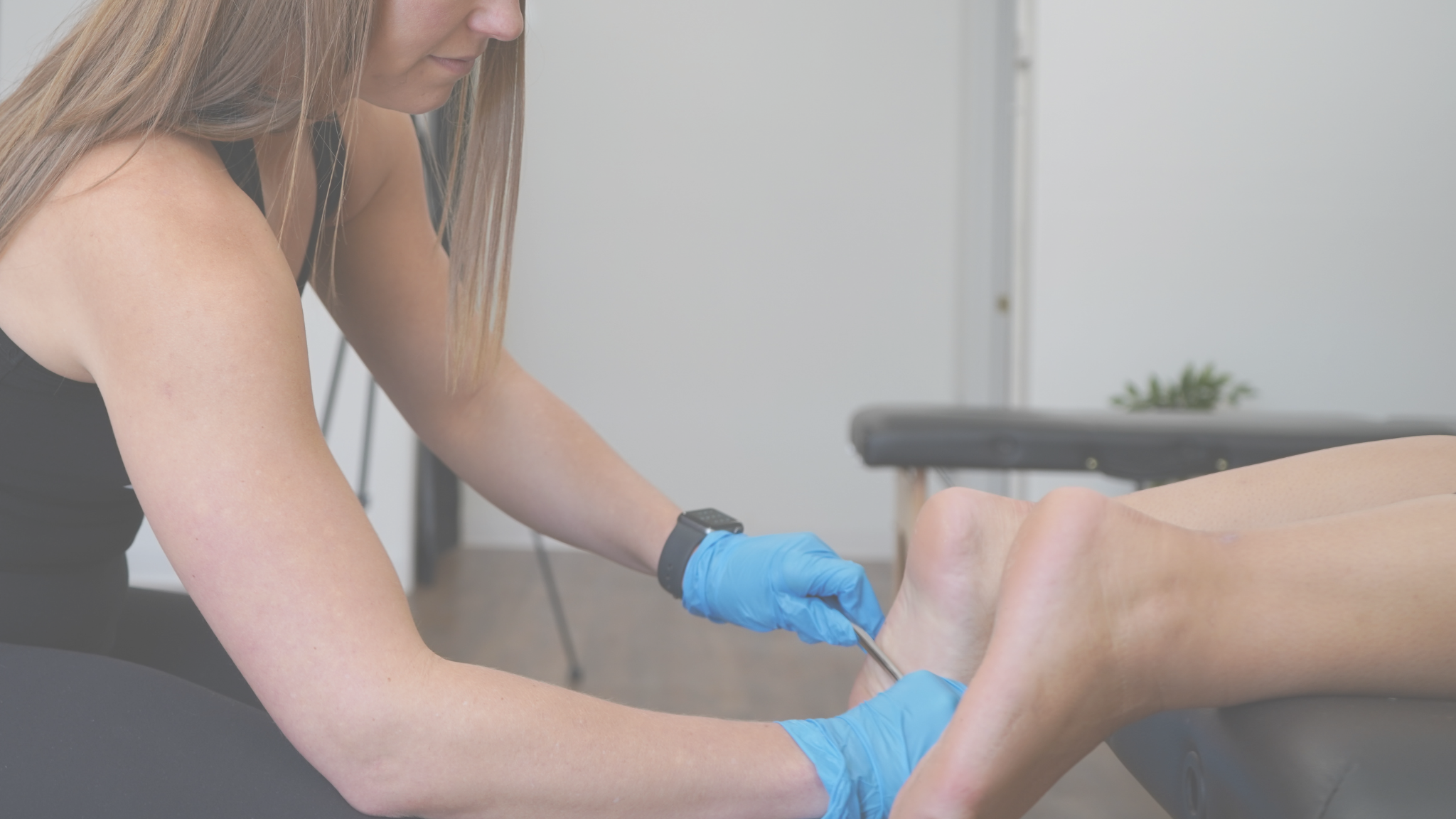
Drop is the difference between the height of a shoe's forefoot and heel. There is no quick rule for shoe drop besides comfort. Everyone has their own preference on what feels most natural for them. A higher drop can be great for someone looking to deload the calves and Achilles tendon and provide extra cushion for heel-striking form while a lower drop encourages a midfoot strike and greater foot muscle activation. The most important thing to know is that dramatic changes in heel drops can change gait patterns and lead to unexpected muscle soreness as your body adapts.
So how do I know what shoes to buy?
Because we all have variations in our foot shape and size, there is no universal best shoe. A well-fitting shoe feels comfortable. When you try it on in the store it should feel roomy in the toes and forefoot and snug through the midfoot and heels, with the amount of cushion that feels comfortable for you. If possible, we encourage to try on the shoes in person in a store that has an small area to move around, walk, run and jump and see how the shoe moves with you. Remember, just because it's expensive, doesn't mean it is the best fitting shoe on the shelf.
Struggling with foot or ankle pain? In addition to trying some of the shoe fit tips above, come visit us in Wakefield. At FIXXED, we help you move and feel better. Take your first step towards pain-free movement and scheduled a consultation today.